Phonics Activity Book 3
Build Fluency. Strengthen Independence. Read with Confidence.
Phonics Activity Book 3 is the third book in a carefully structured phonics series designed for early readers and EFL learners. This volume builds on the decoding strategies and sound patterns introduced in Books 1 and 2, guiding learners toward smoother blending, stronger word recognition, and increased reading independence.
As students progress, phonics instruction must balance challenge with confidence. Book 3 introduces more varied word patterns and longer decoding sequences while maintaining the clear, pronunciation-friendly approach that defines the series. The goal is not speed, but accuracy, ease, and growing fluency.
What’s inside:
A structured progression that builds directly on Books 1 and 2
Expanded phonics patterns to support more confident blending
Activities that encourage learners to rely less on support and more on their own decoding skills
Clean layouts and simple visuals that keep the focus on reading, not guessing
Repetition designed to reinforce skills without feeling repetitive
Who this book is for:
Learners who have completed Phonics Activity Books 1 and 2
Early readers ready to move beyond basic decoding
EFL / ESL students developing fluency and pronunciation confidence
Teachers and parents looking to support independent reading growth
How this book fits in the series:
Phonics Activity Book 3 represents a key transition point in the series. Students move from carefully guided practice toward greater independence, applying familiar decoding strategies to new word combinations. Each activity is designed to strengthen confidence while preparing learners for the final stage of the series.
This book is ideal for:
Phonics Activity Book 3 helps learners shift from “I can read with help” to “I can read on my own.”
Phonics Activity Book 3
Build Fluency. Strengthen Independence. Read with Confidence.
Phonics Activity Book 3 is the third book in a carefully structured phonics series designed for early readers and EFL learners. This volume builds on the decoding strategies and sound patterns introduced in Books 1 and 2, guiding learners toward smoother blending, stronger word recognition, and increased reading independence.
As students progress, phonics instruction must balance challenge with confidence. Book 3 introduces more varied word patterns and longer decoding sequences while maintaining the clear, pronunciation-friendly approach that defines the series. The goal is not speed, but accuracy, ease, and growing fluency.
What’s inside:
A structured progression that builds directly on Books 1 and 2
Expanded phonics patterns to support more confident blending
Activities that encourage learners to rely less on support and more on their own decoding skills
Clean layouts and simple visuals that keep the focus on reading, not guessing
Repetition designed to reinforce skills without feeling repetitive
Who this book is for:
Learners who have completed Phonics Activity Books 1 and 2
Early readers ready to move beyond basic decoding
EFL / ESL students developing fluency and pronunciation confidence
Teachers and parents looking to support independent reading growth
How this book fits in the series:
Phonics Activity Book 3 represents a key transition point in the series. Students move from carefully guided practice toward greater independence, applying familiar decoding strategies to new word combinations. Each activity is designed to strengthen confidence while preparing learners for the final stage of the series.
This book is ideal for:
Phonics Activity Book 3 helps learners shift from “I can read with help” to “I can read on my own.”
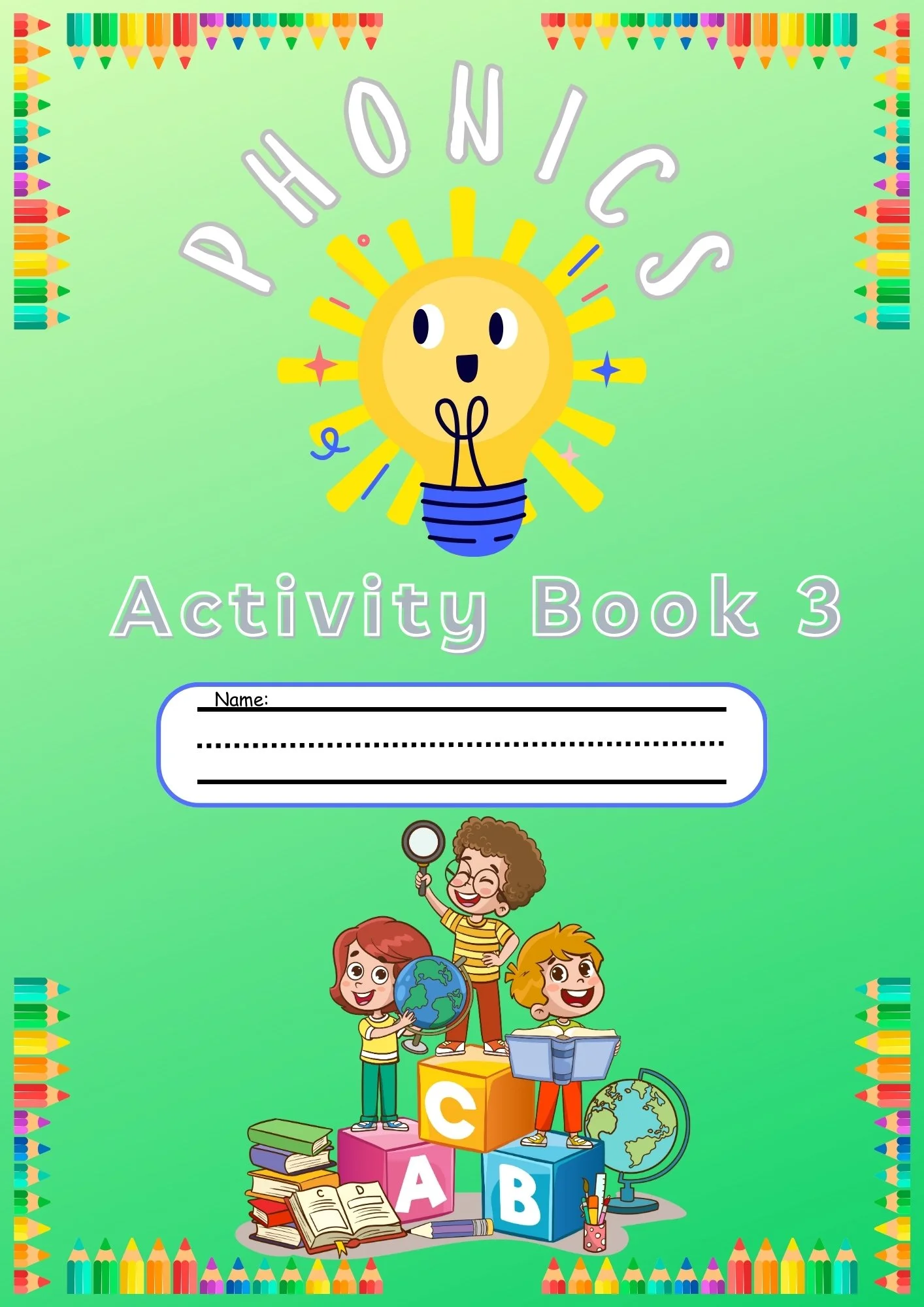 Image 1 of 25
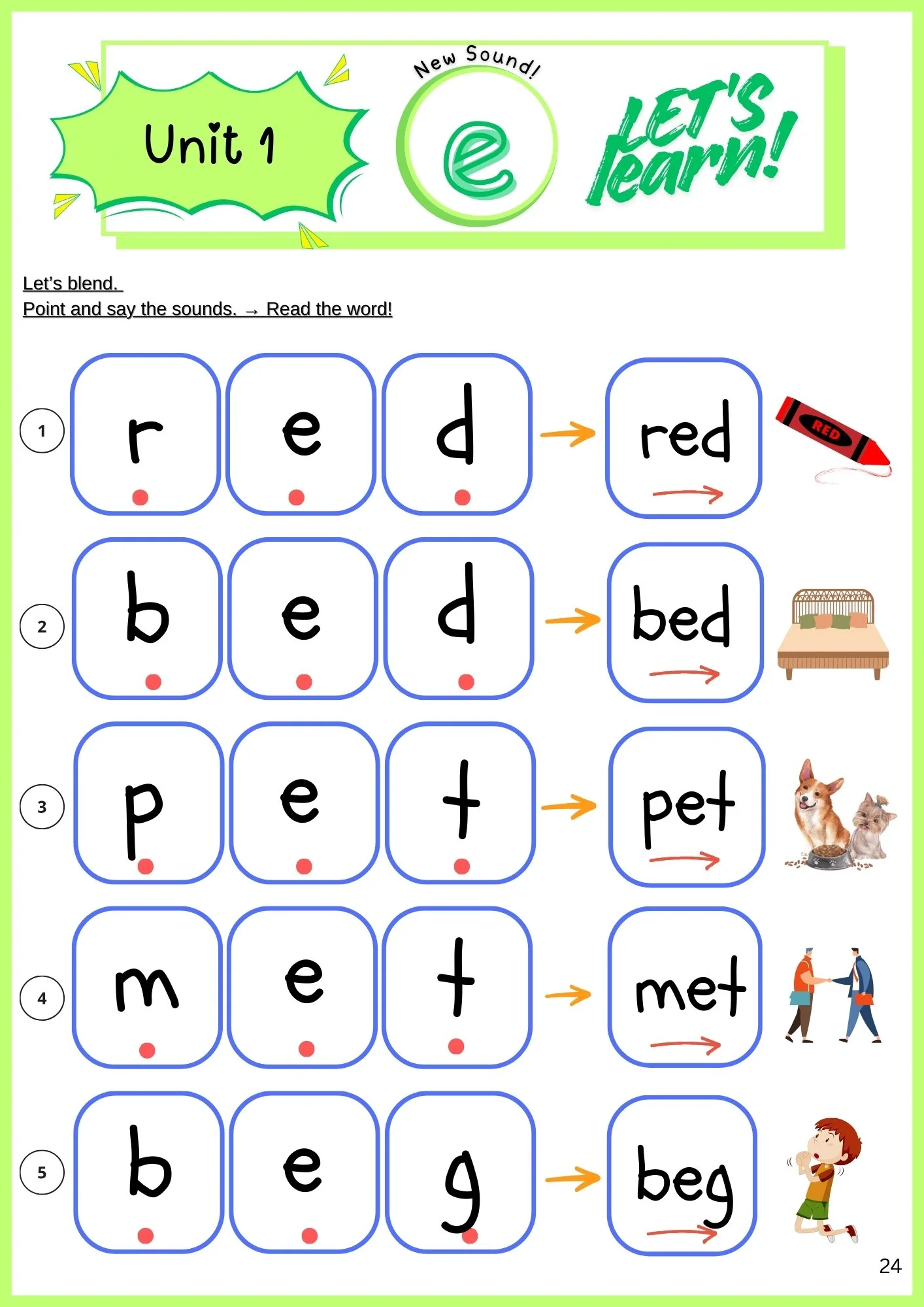 Image 2 of 25
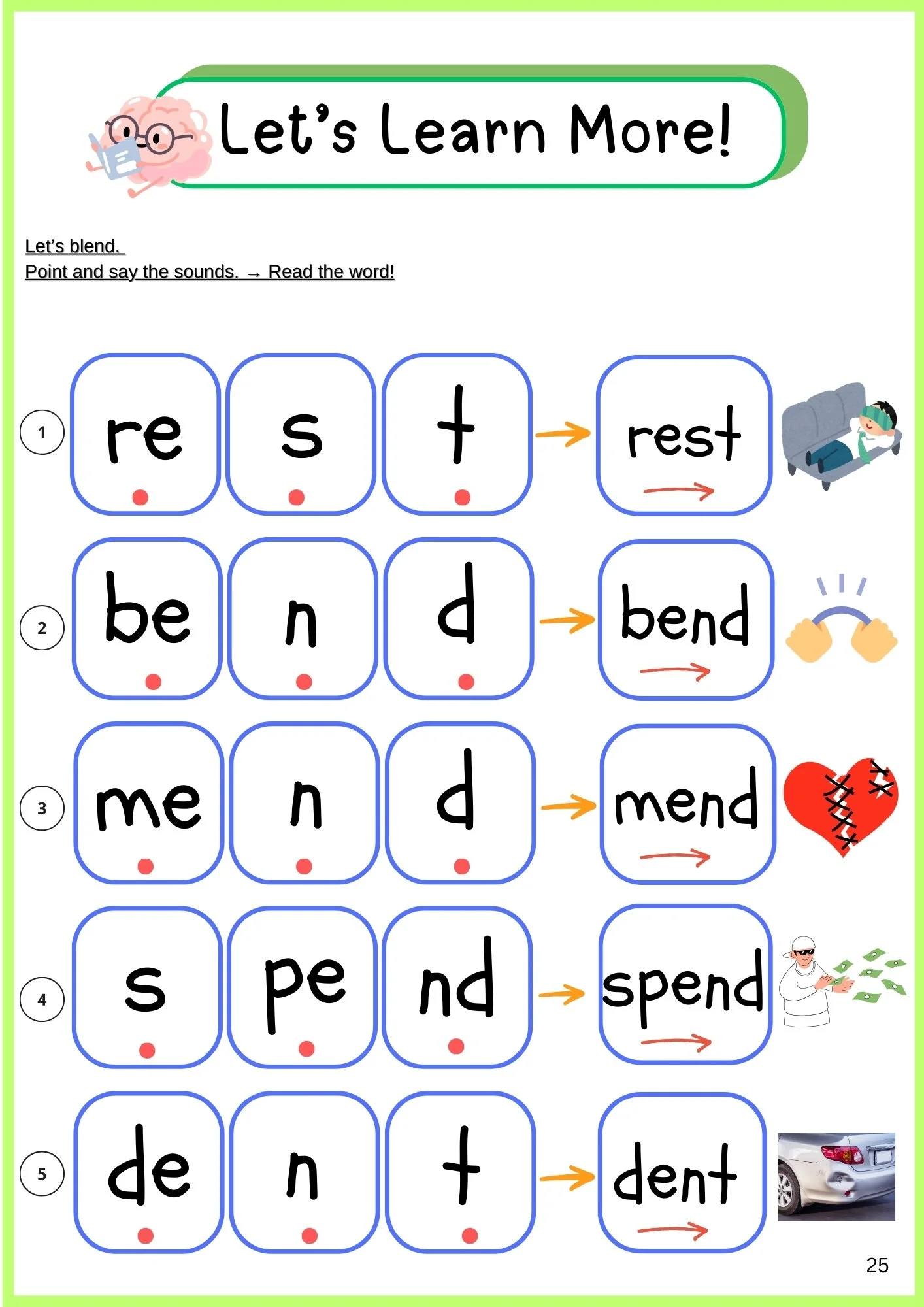 Image 3 of 25
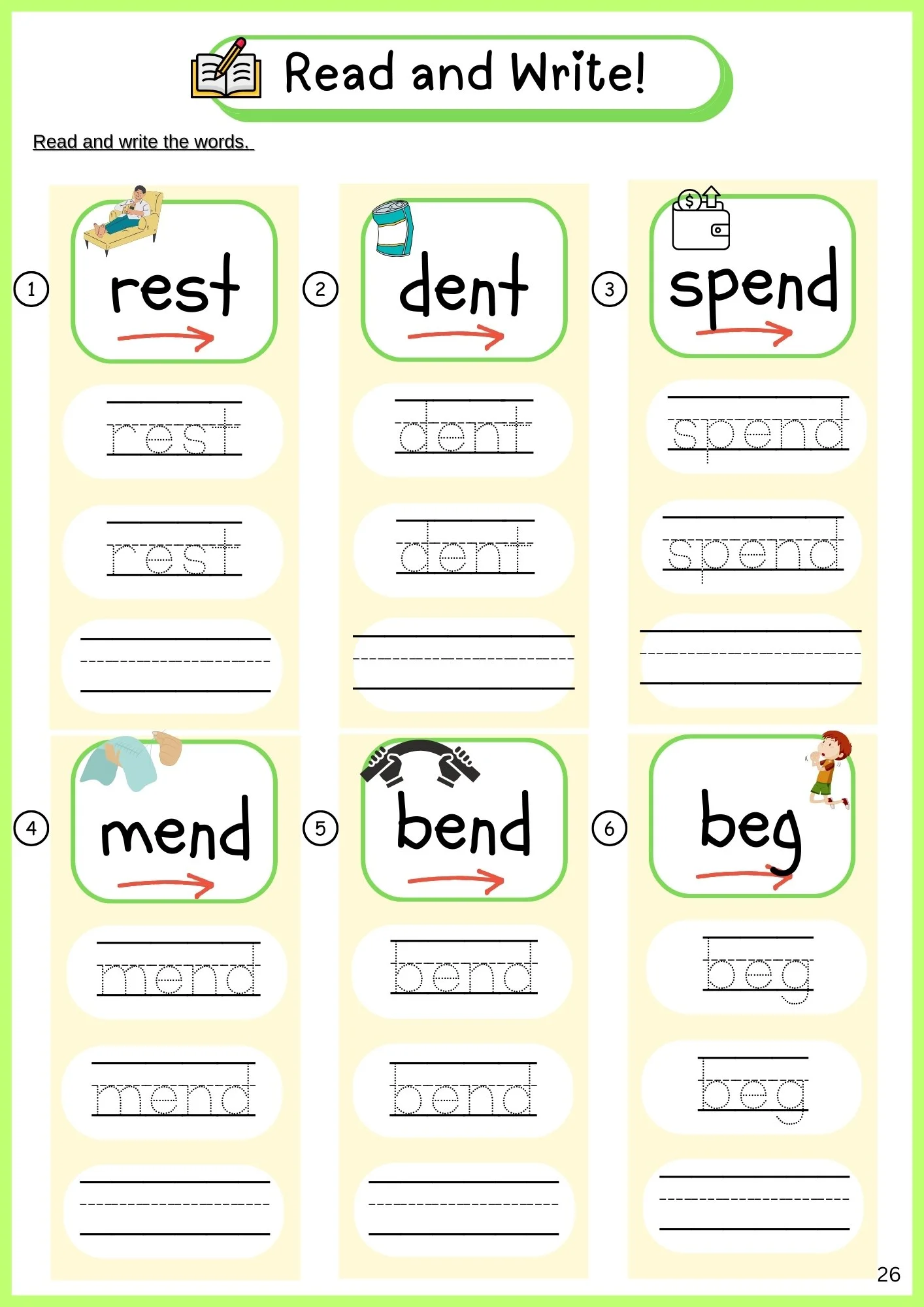 Image 4 of 25
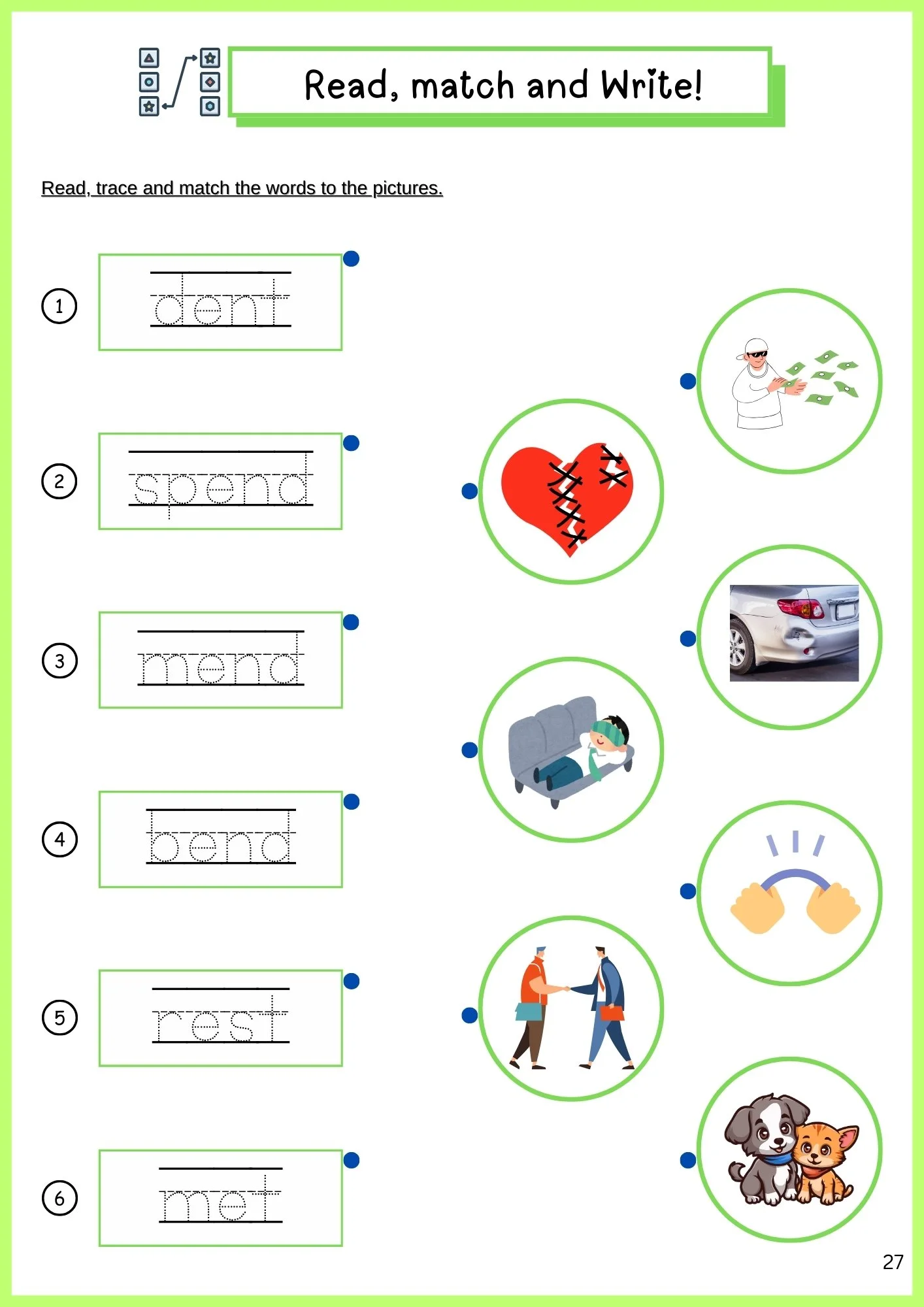 Image 5 of 25
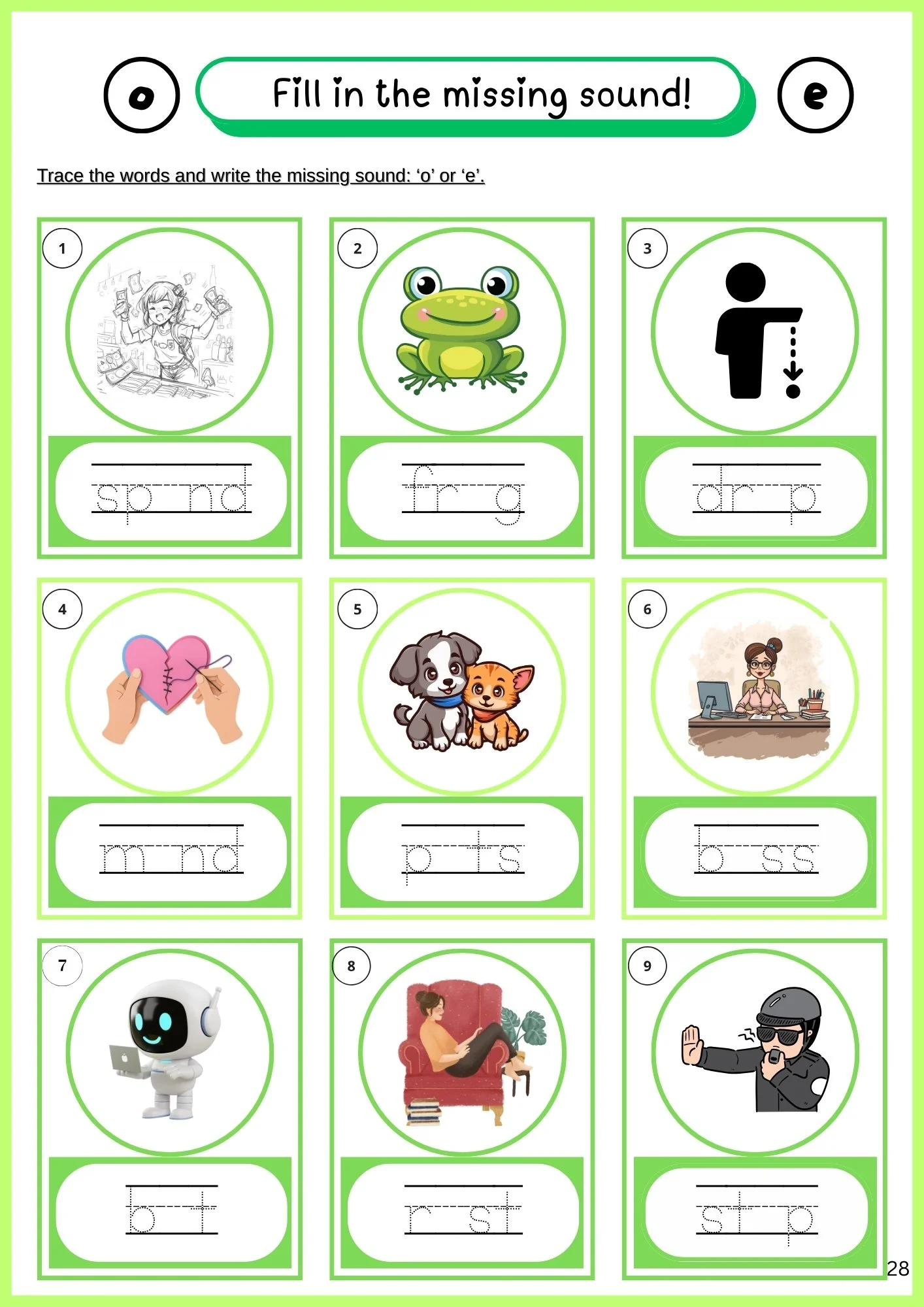 Image 6 of 25
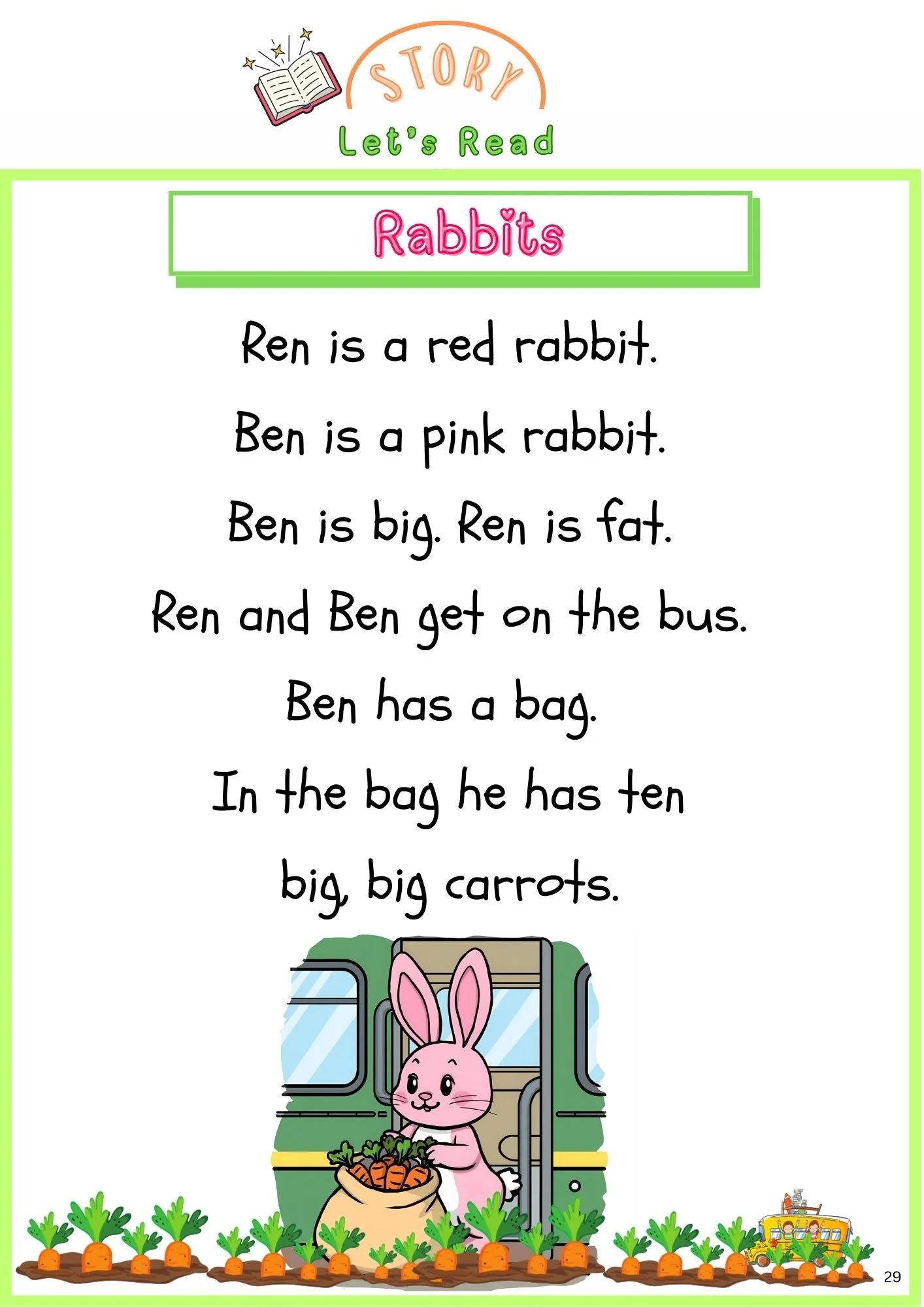 Image 7 of 25
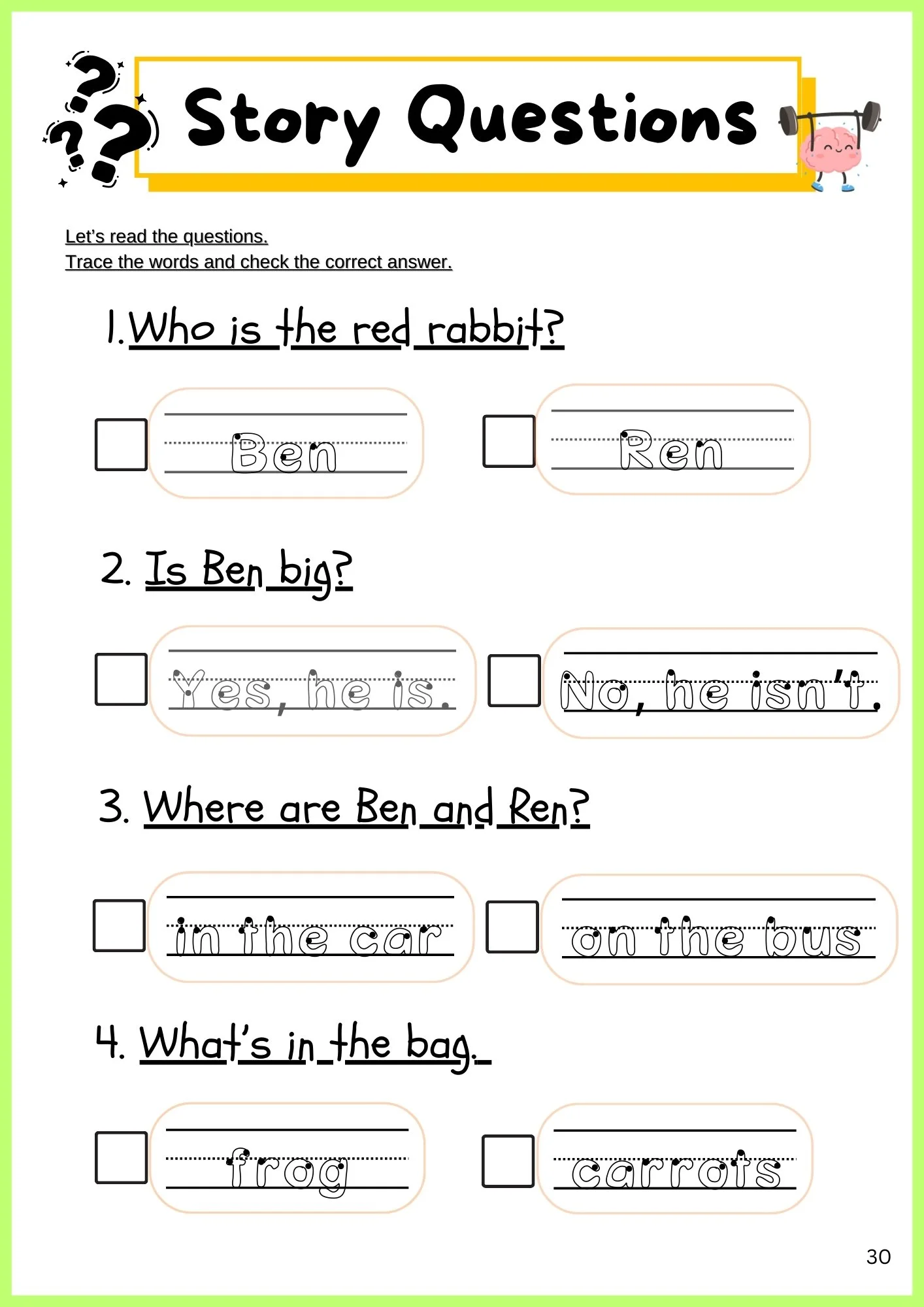 Image 8 of 25
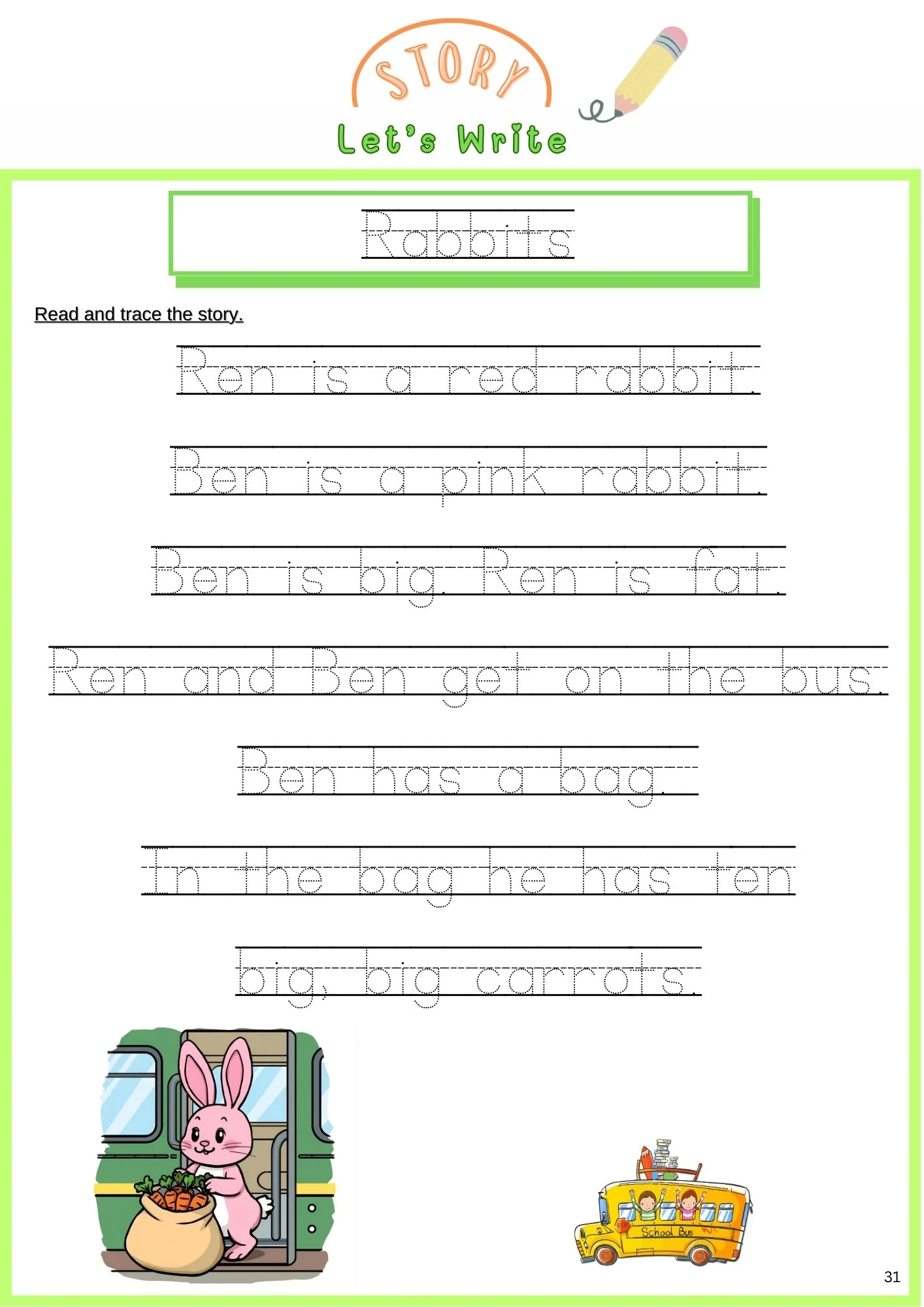 Image 9 of 25
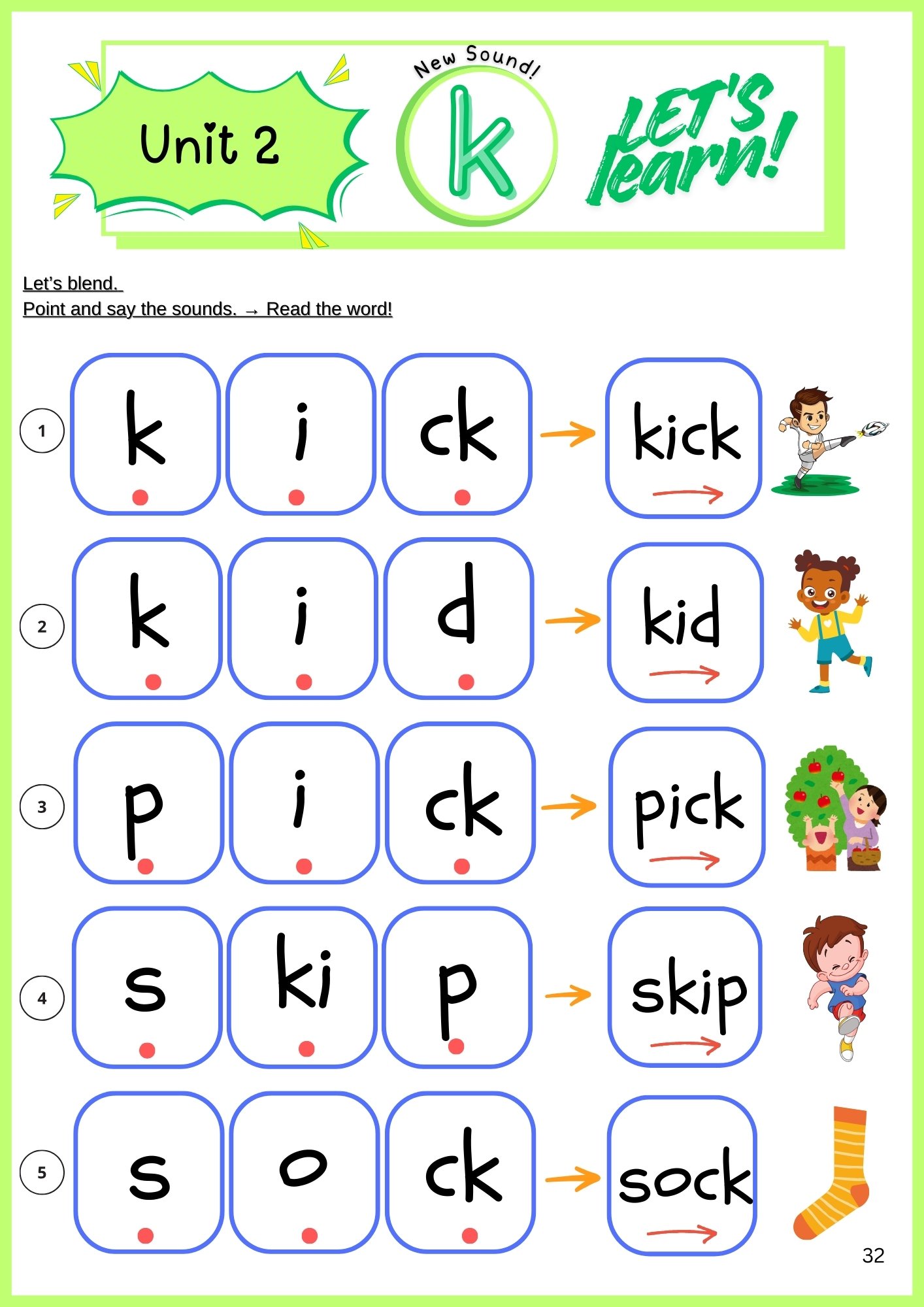 Image 10 of 25
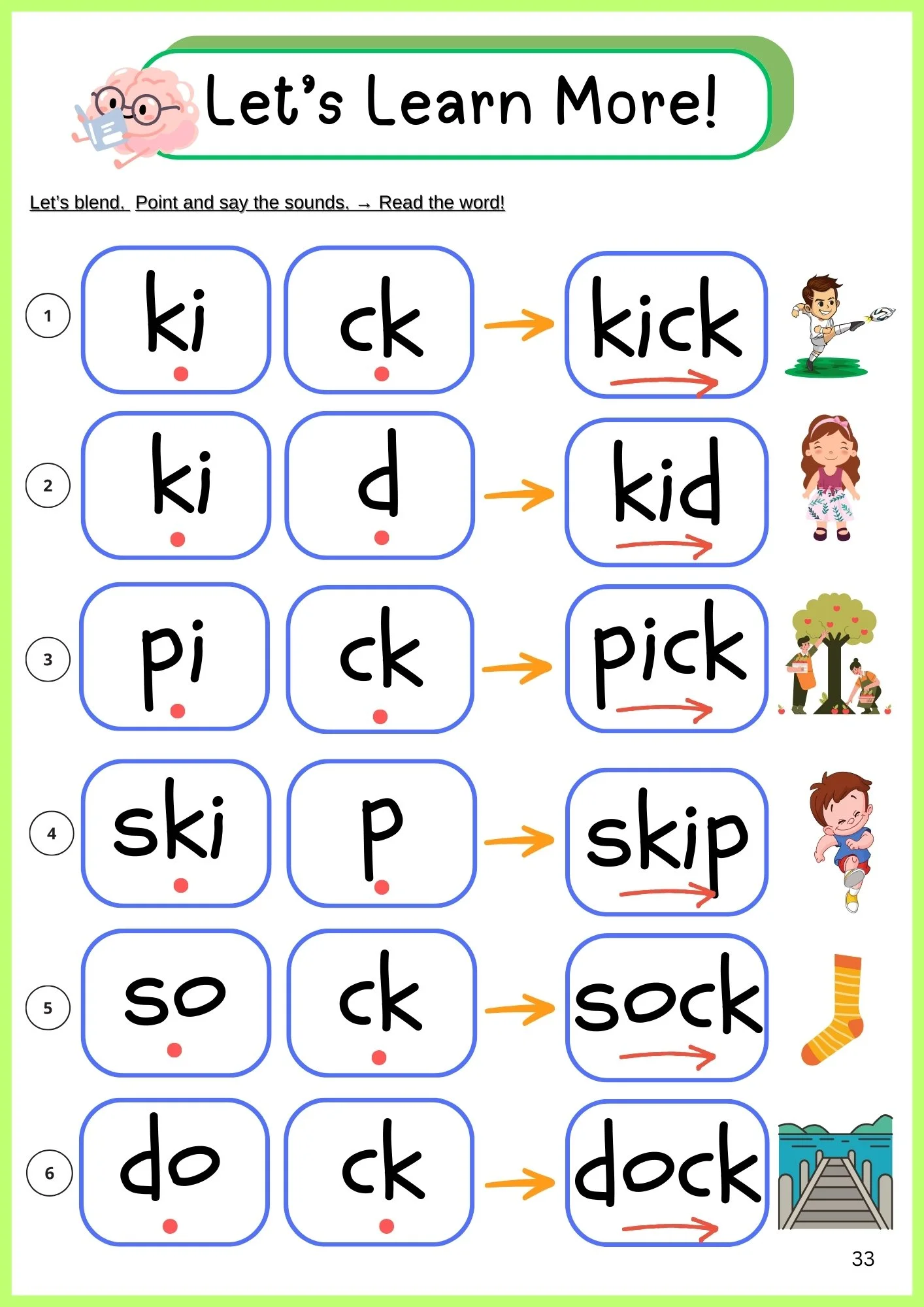 Image 11 of 25
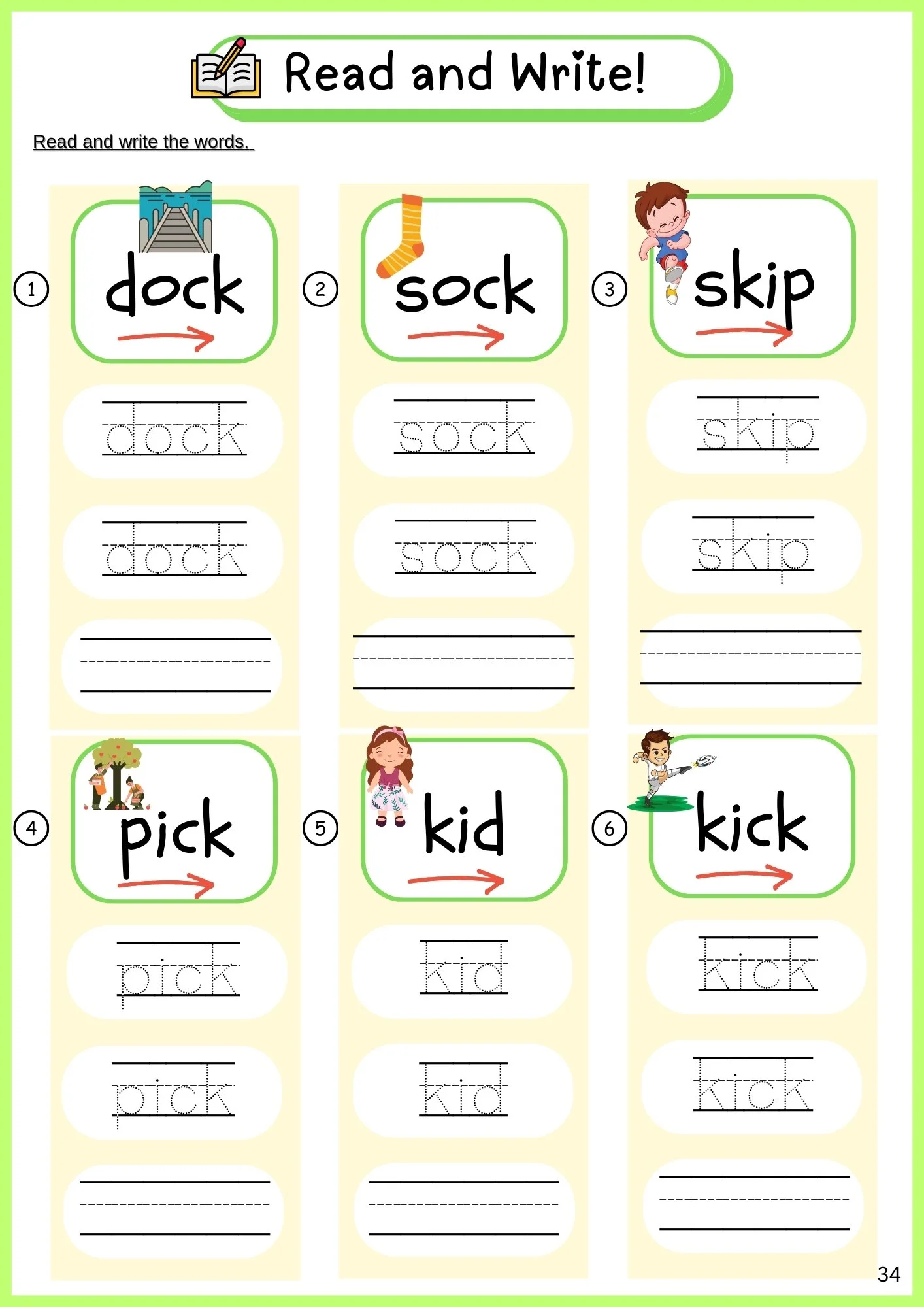 Image 12 of 25
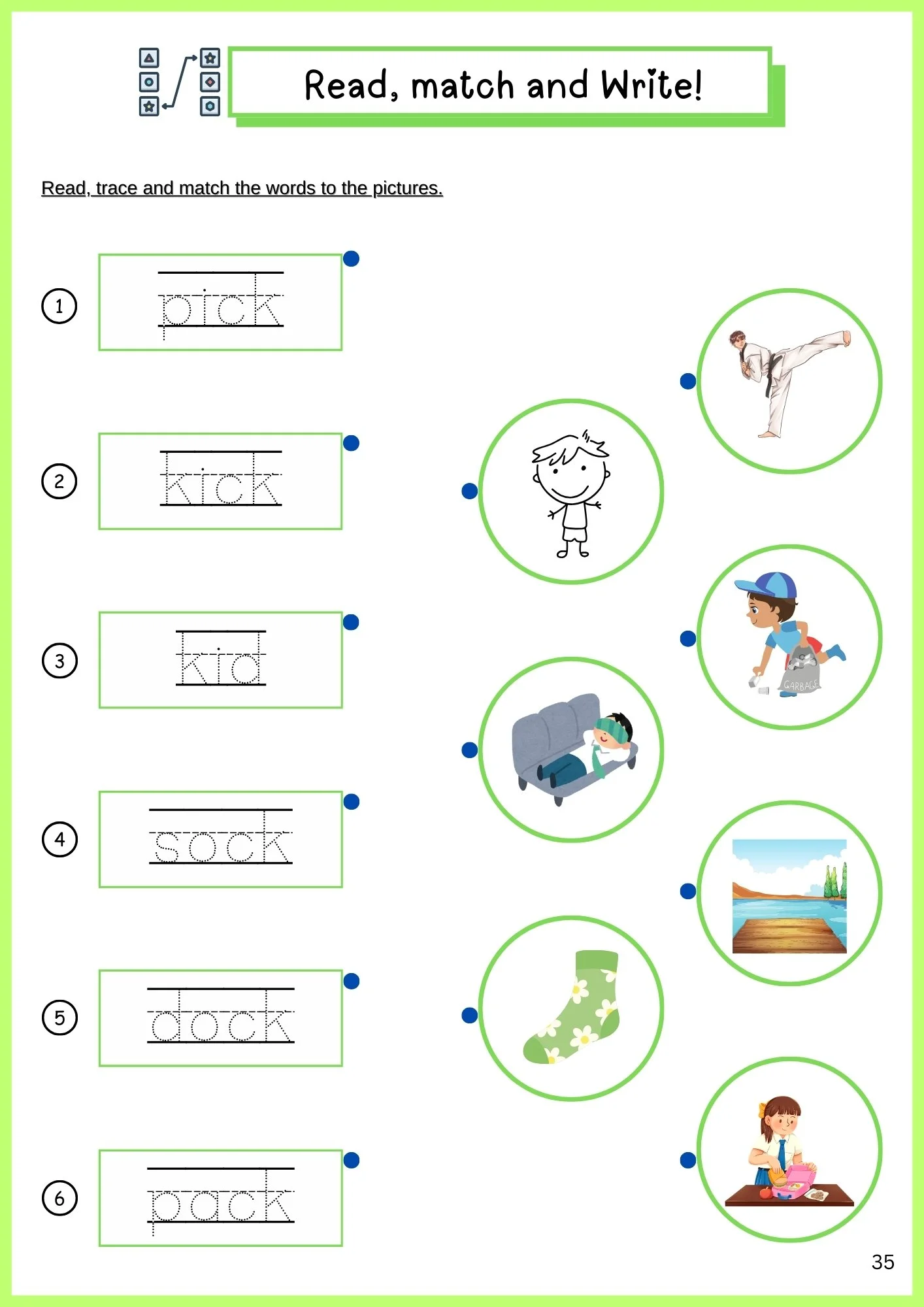 Image 13 of 25
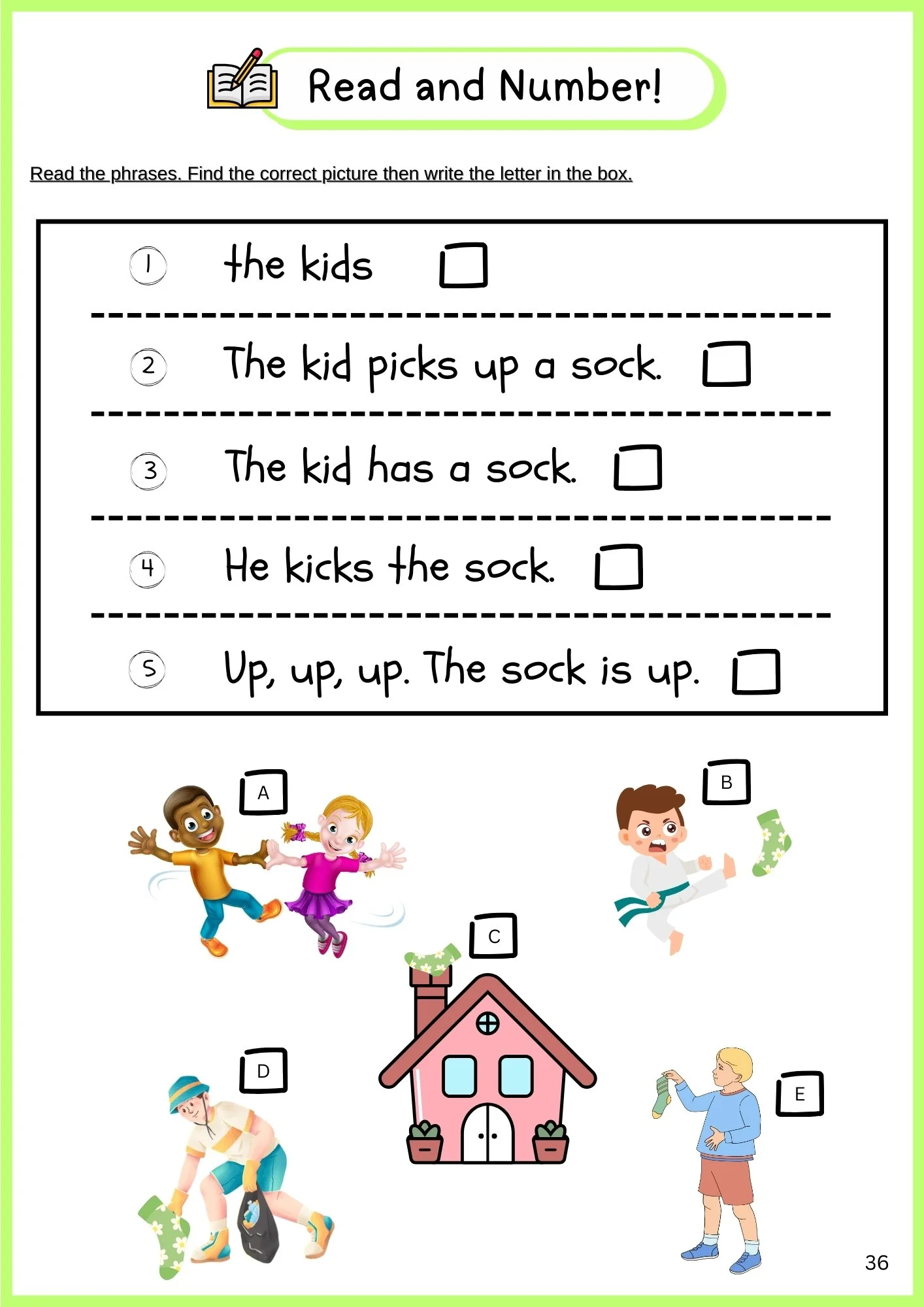 Image 14 of 25
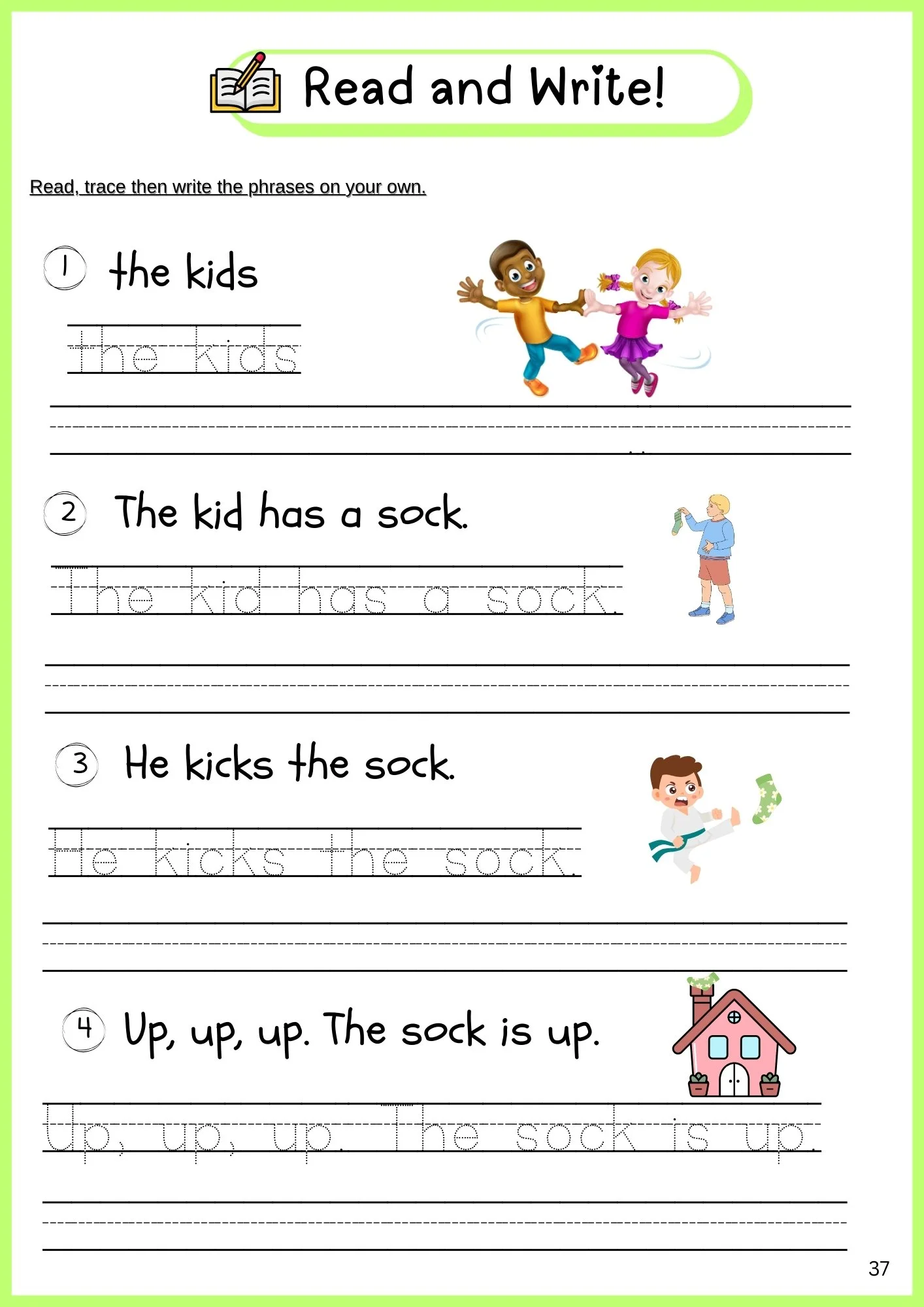 Image 15 of 25
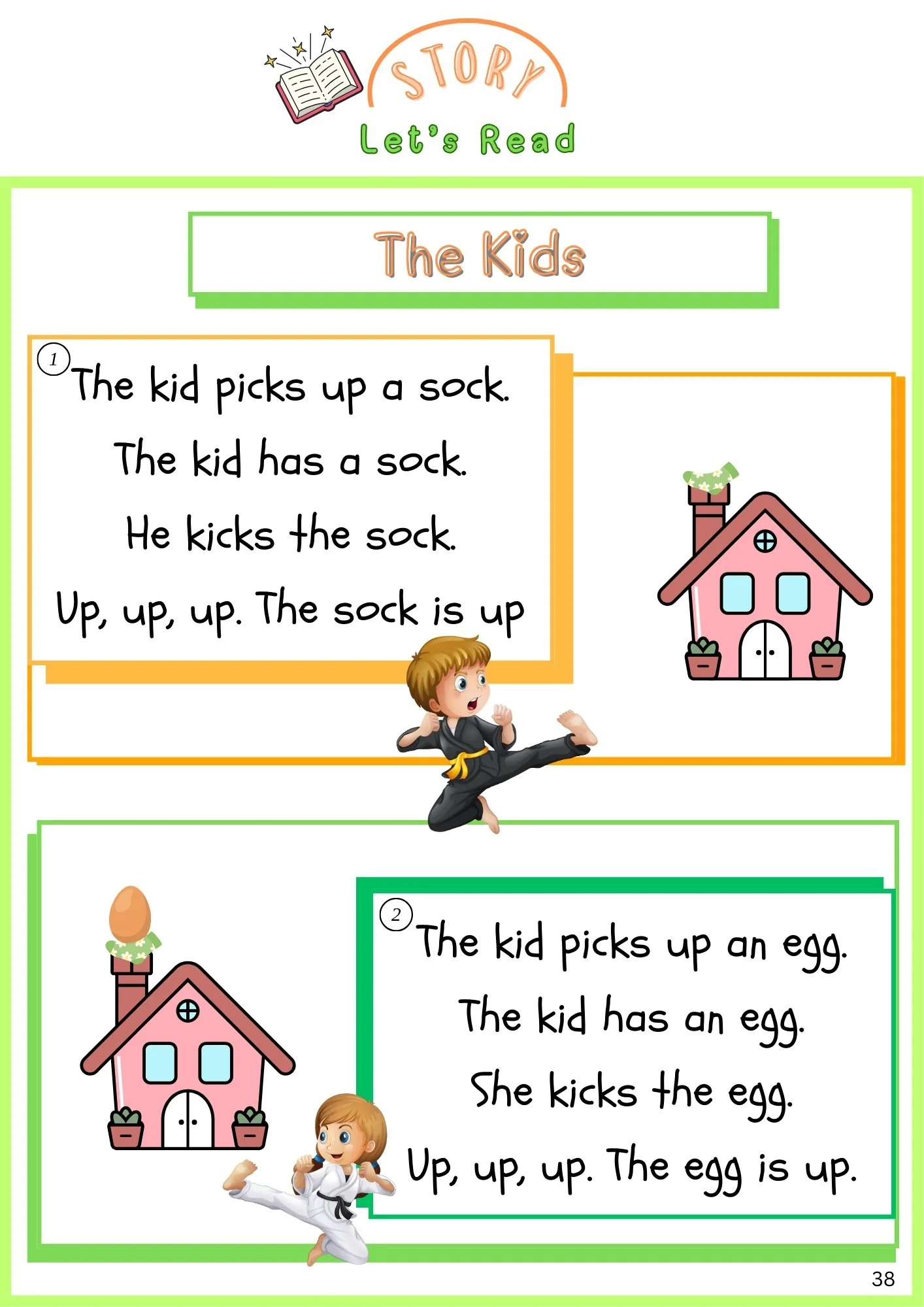 Image 16 of 25
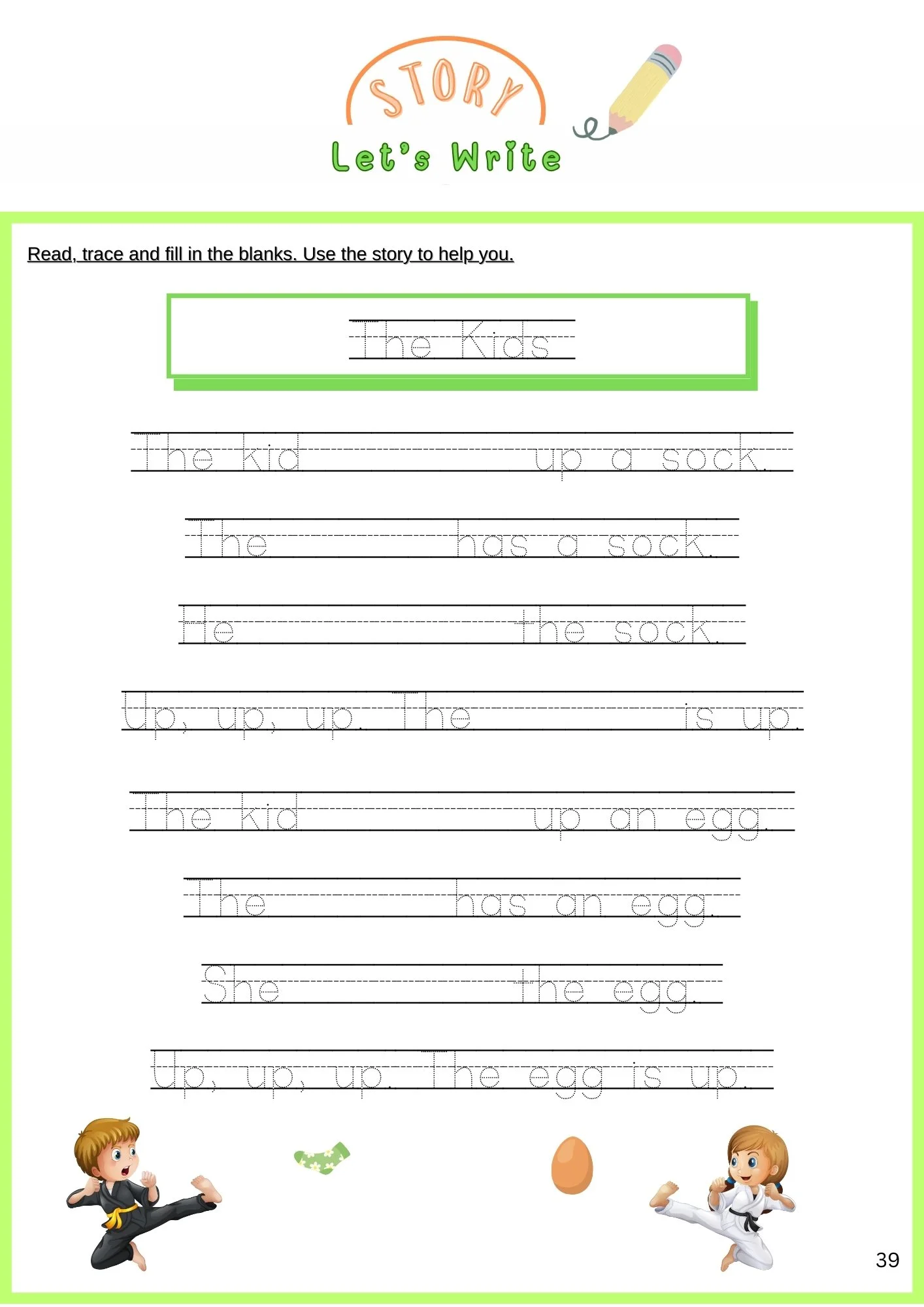 Image 17 of 25
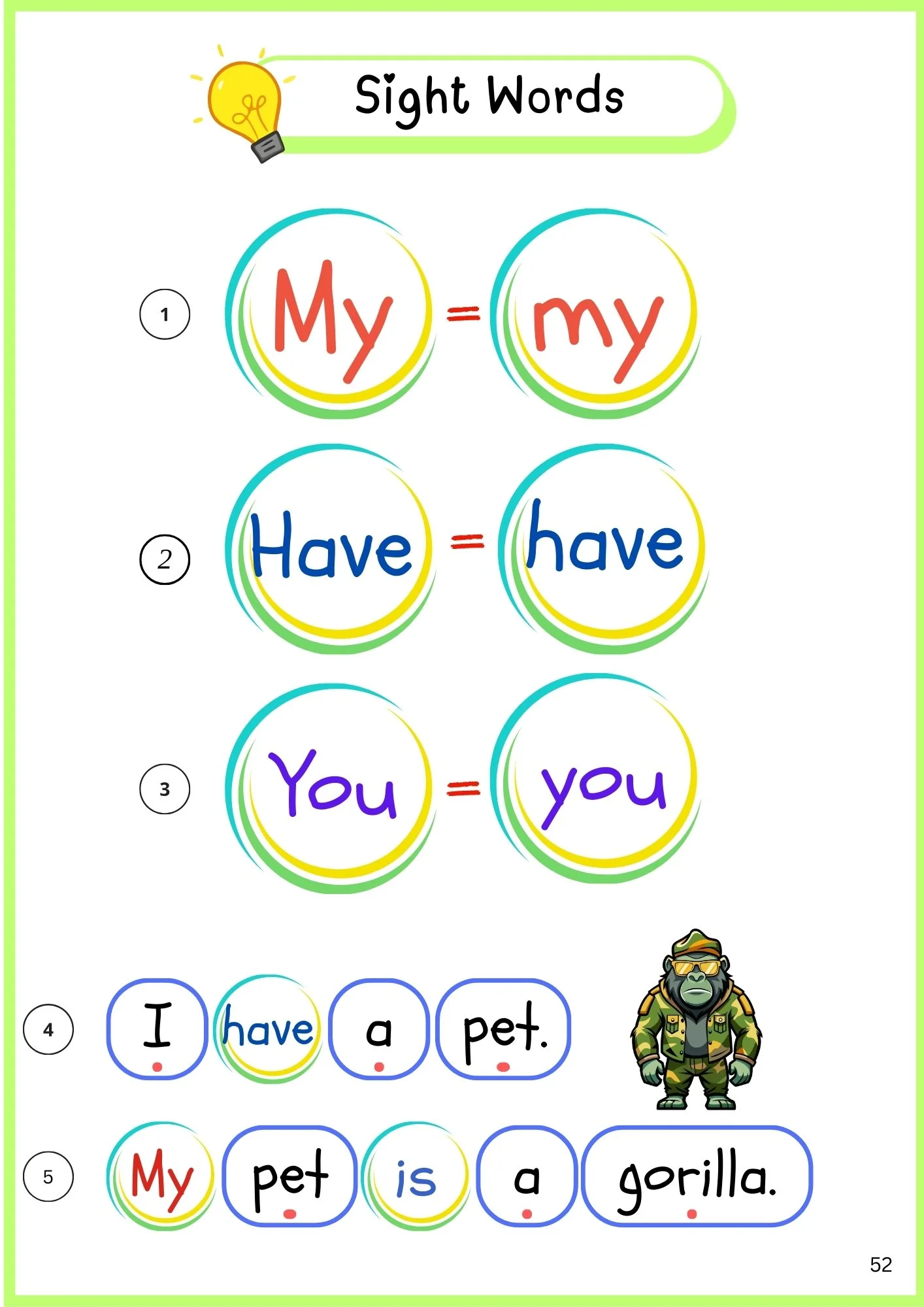 Image 18 of 25
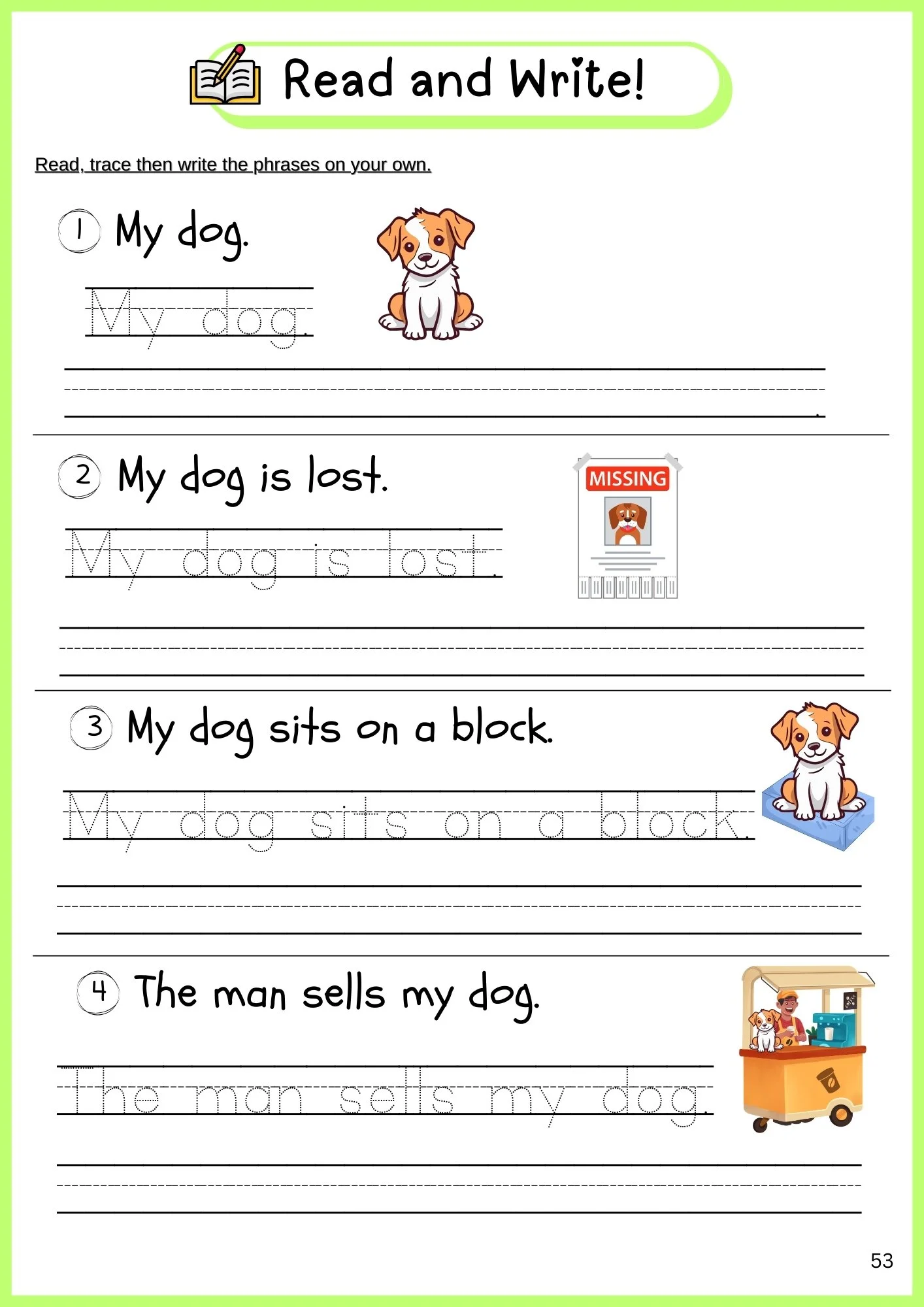 Image 19 of 25
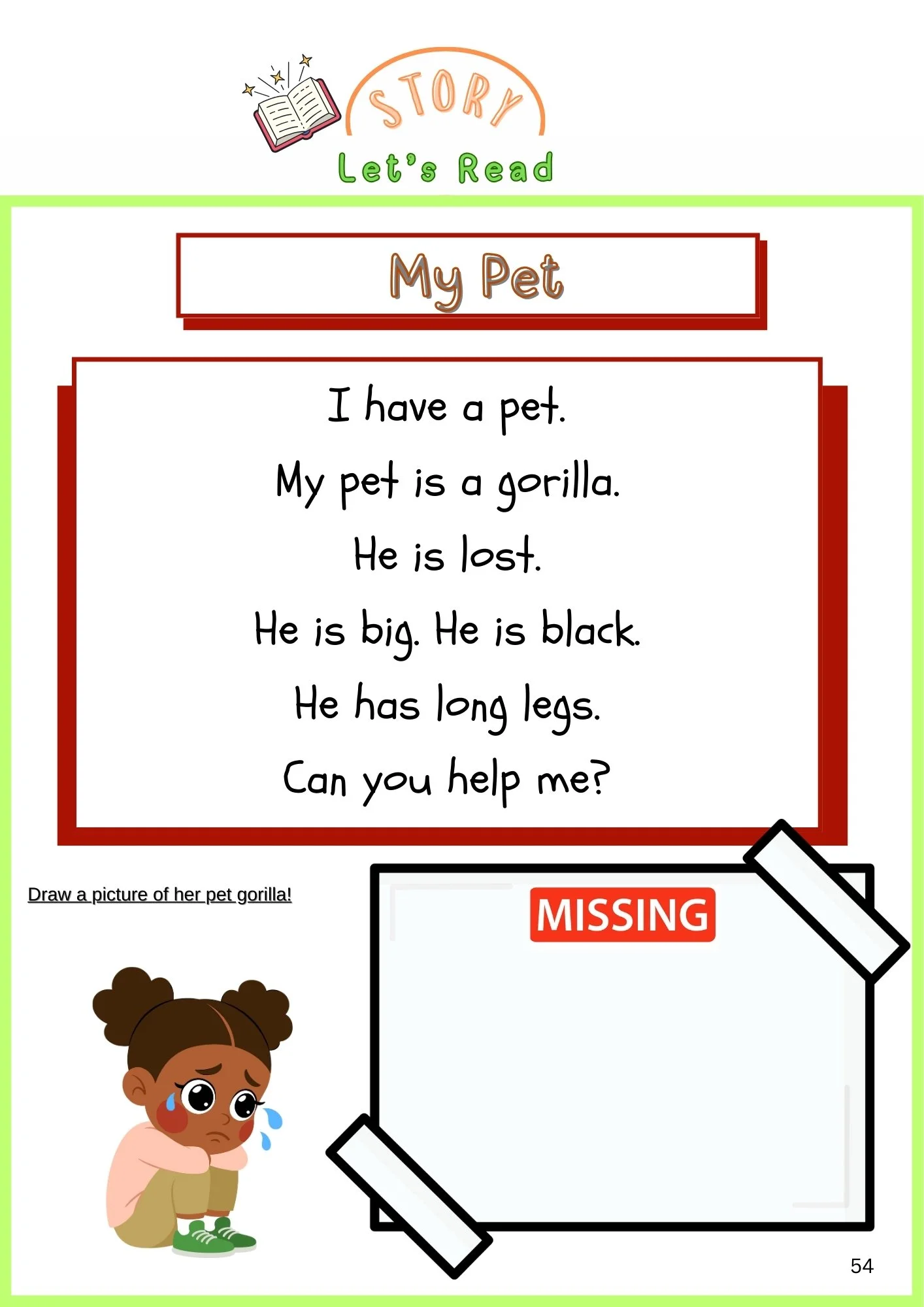 Image 20 of 25
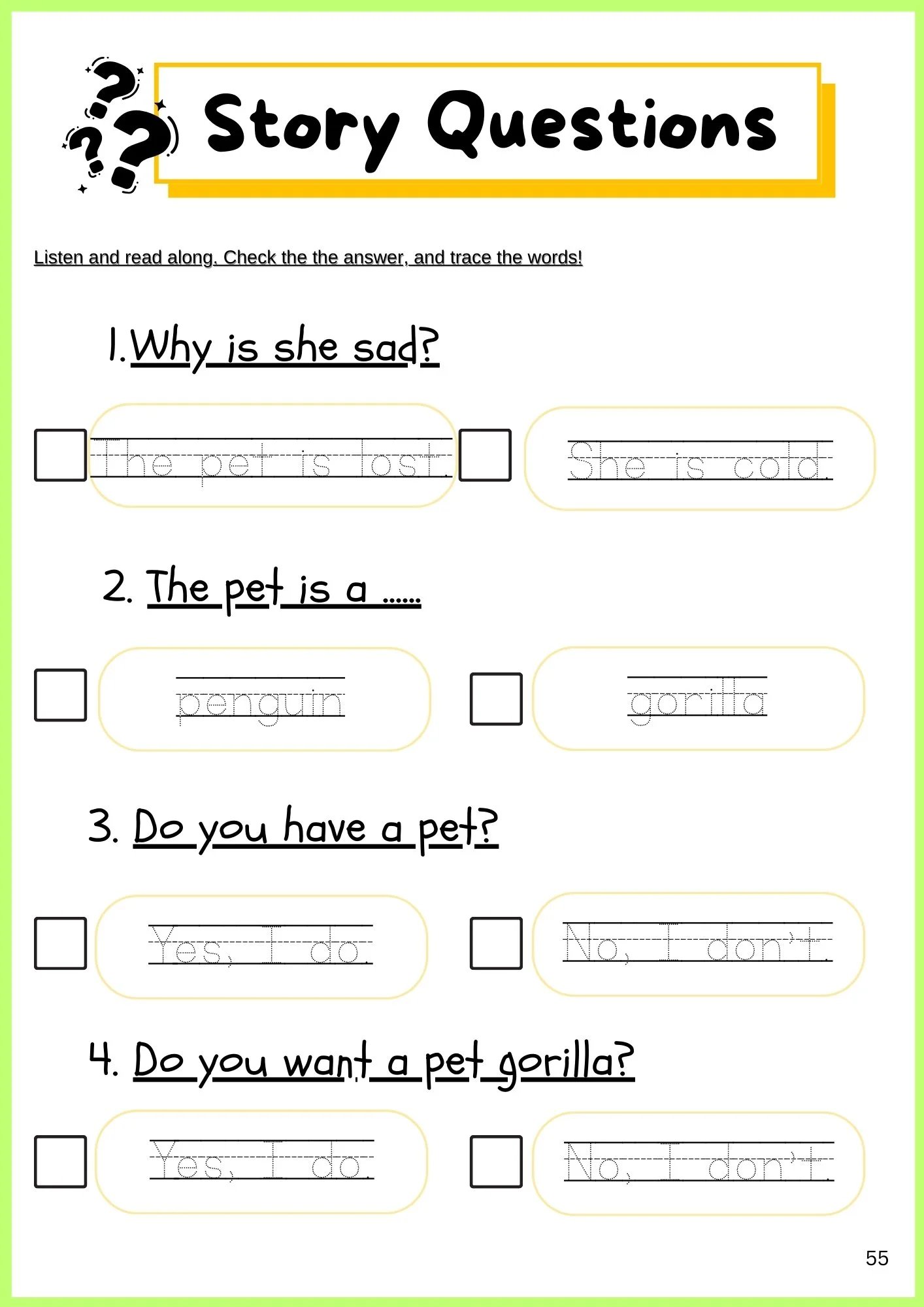 Image 21 of 25
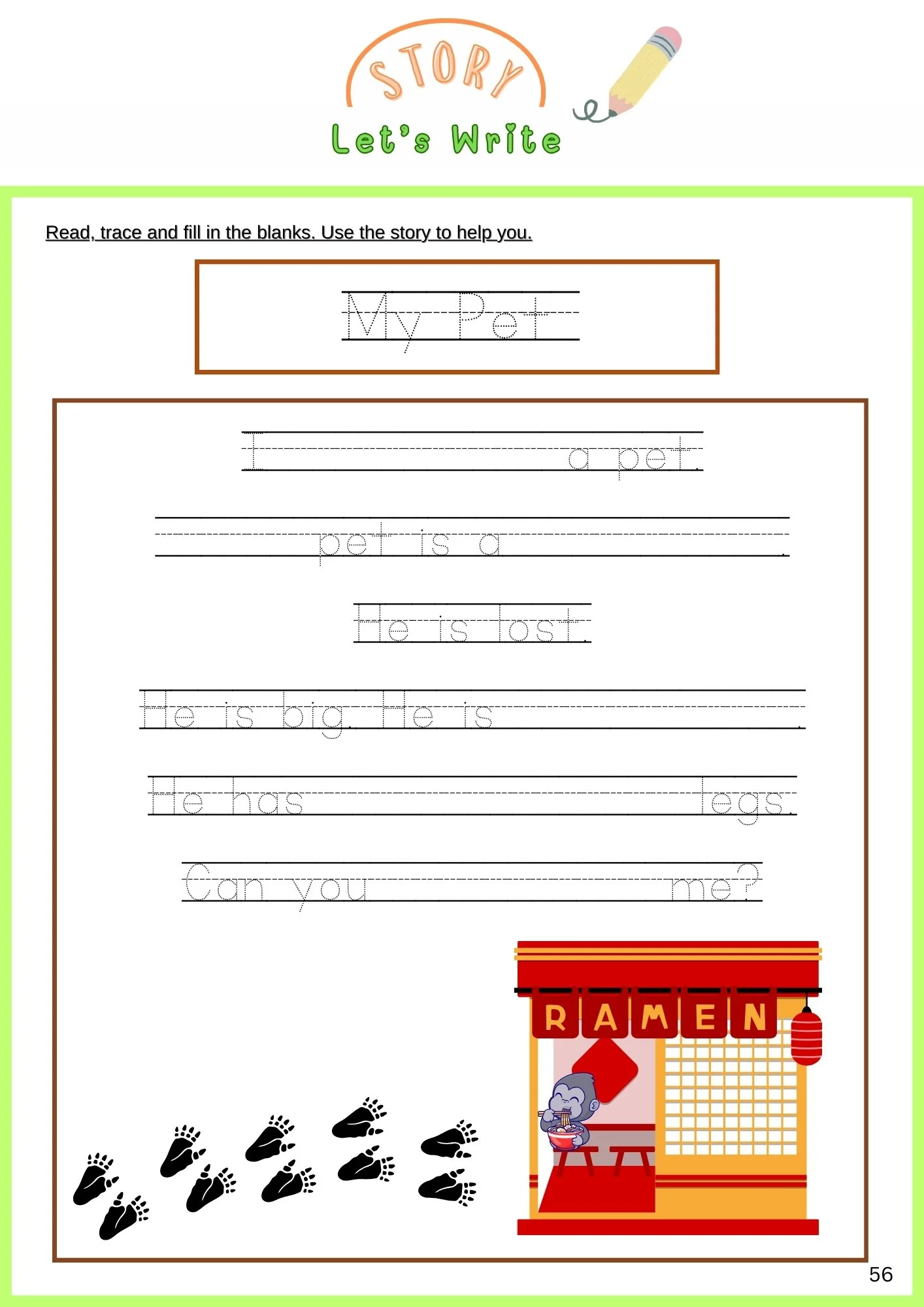 Image 22 of 25
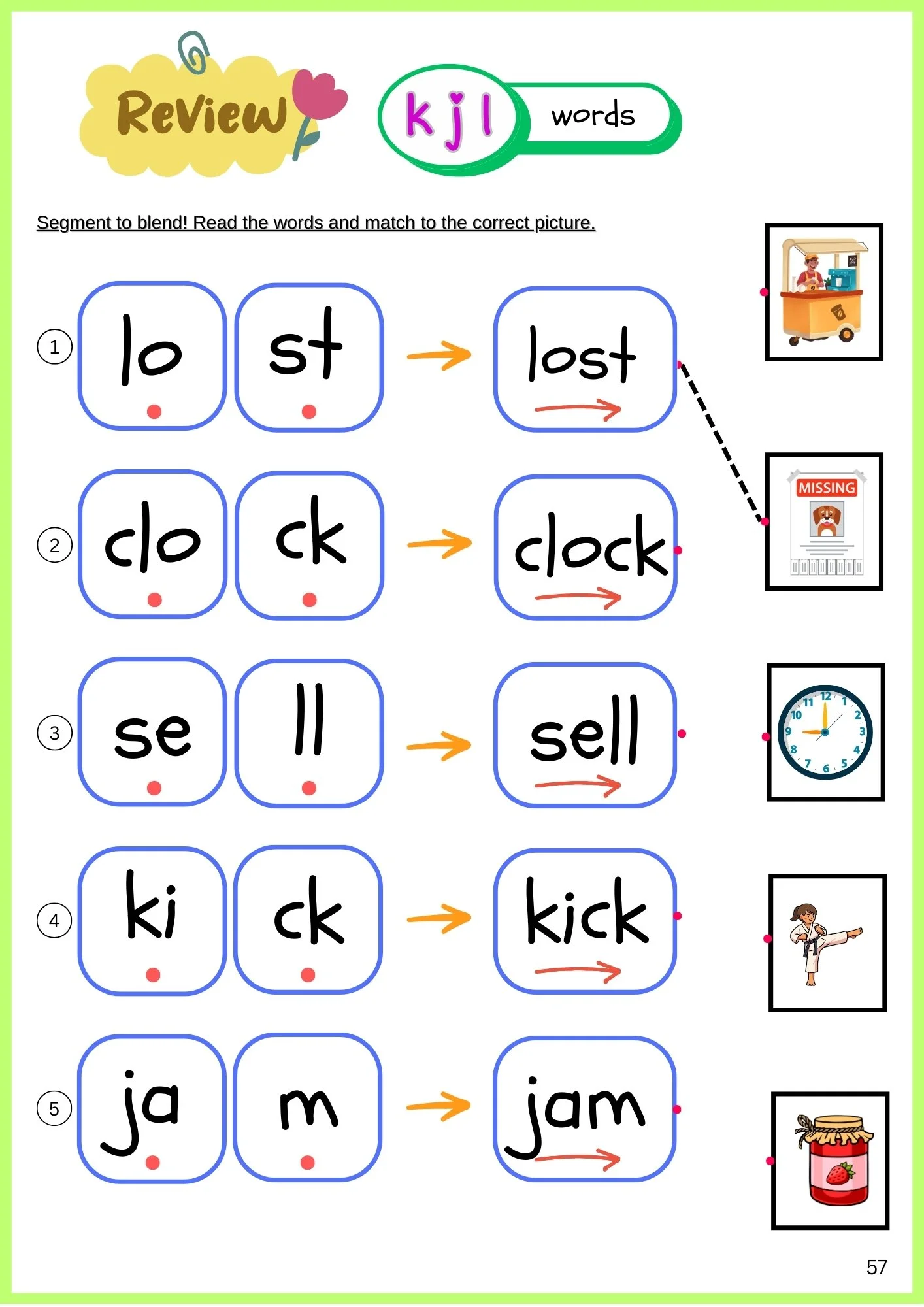 Image 23 of 25
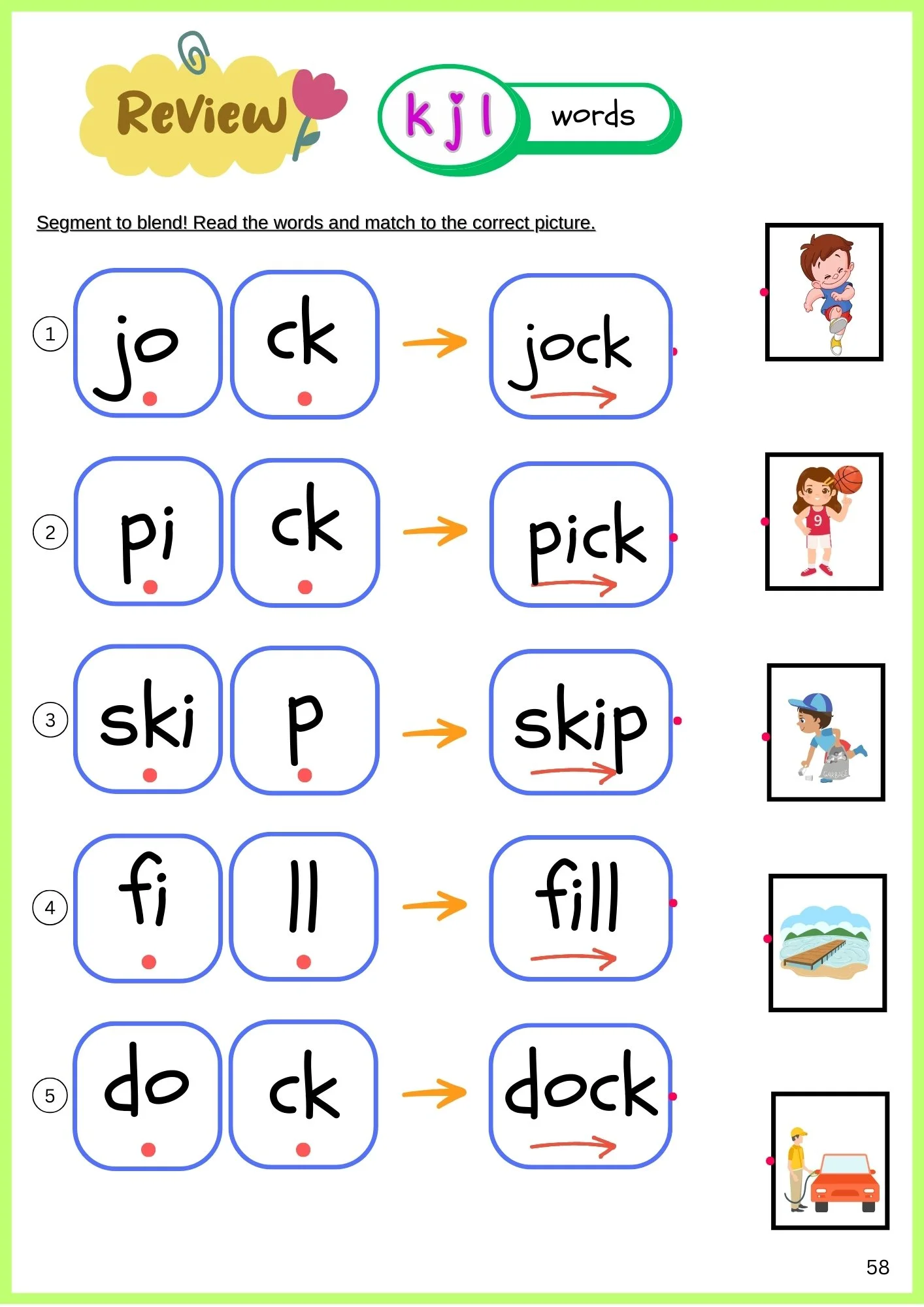 Image 24 of 25
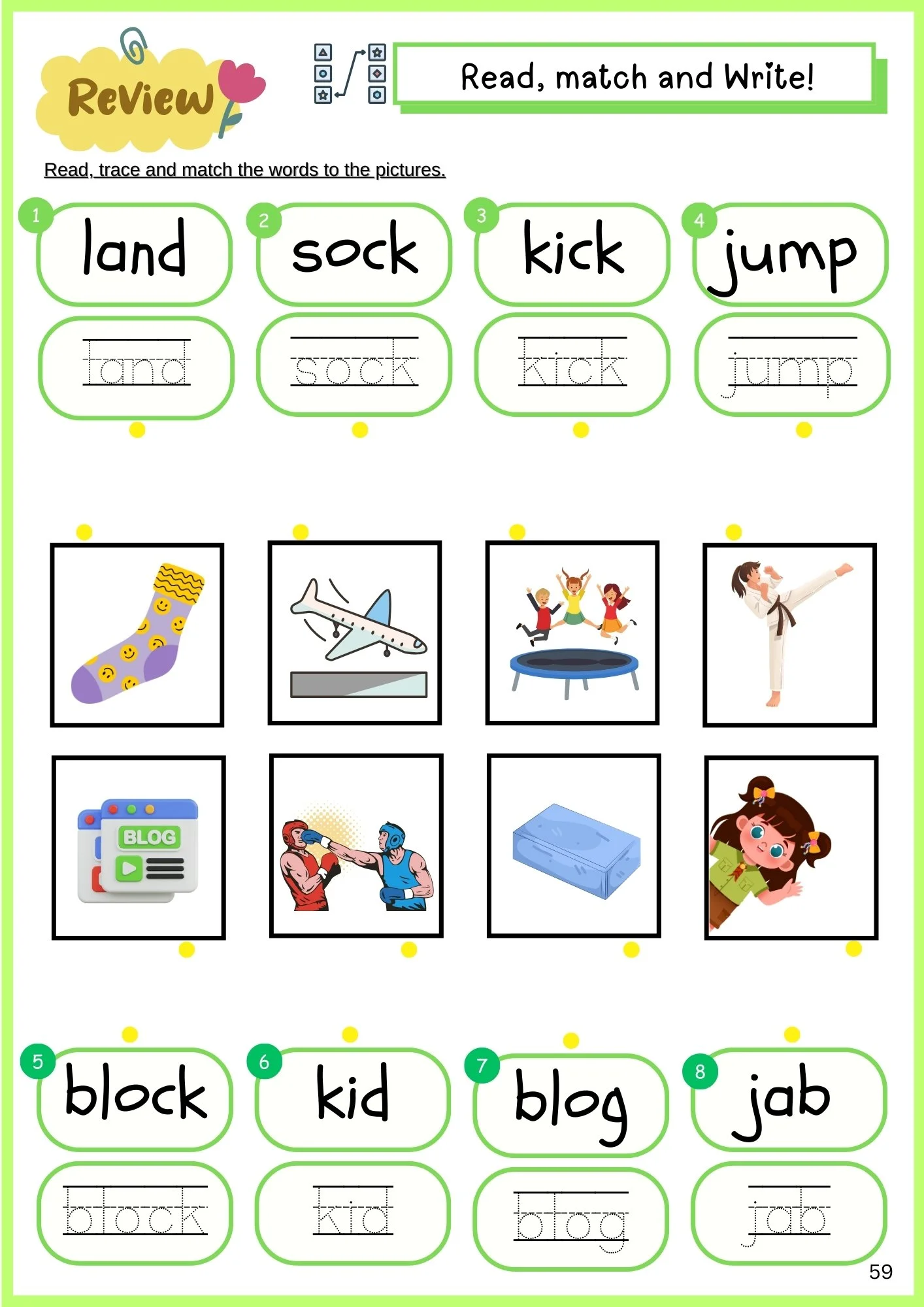 Image 25 of 25